by Kristen Dolan
Share
by Kristen Dolan
Share
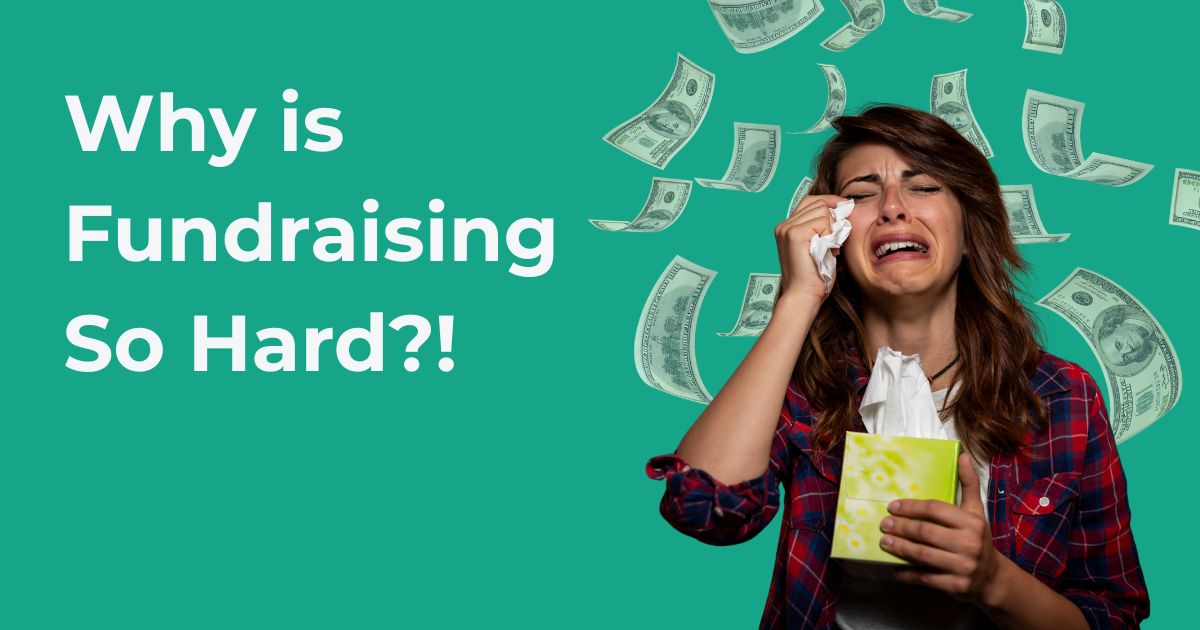
Why Fundraising Feels So Hard for Nonprofits (and What to Do About It)
One of the most common questions I hear during my Zoom office hours with nonprofit leaders (in fact, I heard it today which is what sparked this post) is simple but powerful:
“Why is fundraising so hard?”
If you’ve worked in a nonprofit – whether in Palm Springs, Indio, or Palm Desert – you’ve probably felt the stress of raising enough money to keep programs running. Fundraising is one of the biggest challenges nonprofits face, but the reasons aren’t always clear. Let’s break down why it feels so difficult, and how organizations can begin to move forward.
The Nonprofit Starvation Cycle
Many nonprofits get stuck in what experts call the “starvation cycle.” This happens when organizations are pressured to keep overhead costs low, even at the expense of staff and resources. Donors often want to see their money go “straight to programs,” but that mindset leaves nonprofits underfunded when it comes to essentials like staffing, technology, or training.
When this cycle repeats, nonprofits are expected to do more with less, which only makes fundraising harder. If you don’t have the tools, staff, or time to cultivate donors, you’ll constantly feel like you’re chasing dollars just to keep the lights on.
A 2022 Bridgespan Group report explained that when nonprofits (and funders) underinvest in infrastructure, organizations actually become less effective at fundraising and program delivery (Bridgespan, 2022). In other words, without strong foundations, it becomes harder to raise the dollars needed.
Too Many Priorities, Not Enough People
During office hours, I often hear leaders say things like:
- “I’m the executive director, but I’m also the grant writer, HR manager, and event planner.”
- “We don’t have the budget for a dedicated development staff person.”
Sound familiar?
When fundraising is piled on top of everything else, it feels overwhelming. It’s not that nonprofits don’t want to fundraise – it’s that they don’t have enough capacity to do it well.
This lack of bandwidth means many organizations end up reacting to fundraising needs instead of planning for them. They send out a last-minute appeal, put together an event with too little staff support, or apply for grants without a strong long-term strategy. That constant urgency leads to burnout for both staff and boards.
The Donor Relationship Gap
Another big reason fundraising feels hard is that nonprofits focus too much on short-term dollars and not enough on long-term relationships. Donors want to feel connected to the mission, not just asked for money.
If a nonprofit only contacts supporters when it’s time to ask for a donation, it misses the chance to build trust and loyalty. Donors are more likely to give generously when they see impact stories, get thank-you messages, and feel part of a community.
Research from Stanford Social Innovation Review shows that nonprofits that invest in strong donor relationships raise significantly more sustainable funding than those that only focus on one-time appeals (SSIR, 2022).
The Local Challenge: So Many Good Causes
Here in the Coachella Valley, fundraising can be even harder because there are so many great organizations doing important work. From health nonprofits in Palm Desert to food security programs in Indio and arts organizations in Palm Springs, donors are constantly being asked to give.
That means nonprofits have to work even harder to stand out. They must be able to clearly explain why their mission matters and how each gift makes a difference. Without a compelling case for support, it’s easy to get lost in the crowd of fundraising appeals.
So, What Can Nonprofits Do?
Here are a few steps I often recommend during consultations:
- Shift the story around overhead. Educate donors that investing in staff and systems is what makes programs possible.
- Focus on fewer, deeper relationships. Instead of spreading thin with every possible donor, identify key supporters and build meaningful connections.
- Invest in capacity. Whether it’s hiring a part-time grant writer or upgrading donor software, even small steps free up staff to focus on fundraising.
- Use volunteers strategically. Skilled volunteers – like retired professionals or local college students – can expand capacity without breaking budgets.
- Celebrate wins publicly. Share impact stories in newsletters, social media, and community events. Donors respond to proof their giving matters.
- Plan instead of react. Create an annual fundraising calendar so appeals, events, and grant applications feel intentional, not rushed.
Final Thoughts
Fundraising will probably always come with challenges, but it doesn’t have to feel impossible. When nonprofits reframe how they think about capacity, relationships, and overhead, fundraising becomes less about chasing dollars and more about building a sustainable future.
That’s the message I often share during my office hours: fundraising isn’t broken—it just needs a new approach.
By focusing on strong foundations and building lasting relationships, nonprofits in the Coachella Valley and beyond can break the cycle and create financial stability for years to come.
Want to join the last Office Hours event of August? Register Here.
Would you like to book a free discovery session with me to find out how I can inform your organization’s fundraising? You can do that HERE.
Frequently Asked Questions About Why Fundraising Is Hard for Nonprofits
Q: Why does fundraising feel so hard for nonprofits?
A: Fundraising often feels difficult because nonprofits lack staff capacity, get caught in the “starvation cycle” of underfunding overhead, and struggle to build long-term donor relationships.
Q: What is the starvation cycle in nonprofits?
A: The starvation cycle happens when nonprofits are pressured to keep overhead costs low. This limits investment in staff, technology, and fundraising systems, making it harder to raise money effectively.
Q: How can nonprofits improve fundraising without big budgets?
A: Nonprofits can focus on building deeper donor relationships, using skilled volunteers, creating an annual fundraising plan, and educating donors about the importance of overhead.
Q: Why do donor relationships matter so much?
A: Donors give more when they feel connected. Sharing impact stories, saying thank you often, and showing how their gifts make a difference helps build loyalty and long-term support.
Q: How is fundraising in the Coachella Valley unique?
A: With so many local nonprofits competing for attention—arts, health, food security, and more—fundraising requires a clear message and strong storytelling to stand out and inspire giving.
STAY IN THE LOOP